Deciding when to visit the Masai Mara often comes down to a trade-off. Peak migration months deliver drama but also crowds and high prices. The shoulder season offers a middle path. This Masai Mara shoulder season guide breaks down the windows, the wildlife, the roads, and the cost so you can choose with confidence.
Why Do You Need a Masai Mara Shoulder Season Guide?
Shoulder season suits travelers who prioritize quieter game drives, flexible dates, predator sightings, photography, green scenery or better value. It is less suitable if your main goal is a specific river crossing or a fixed peak-season atmosphere. Families should also check school-holiday demand, camp age policies and the effects of wet tracks.
Travel agents and online forums often treat shoulder season as a single block. In reality it includes very different windows. The dry weeks from January to February feel nothing like a rainy November afternoon. Understanding those differences is what makes this guide useful.
If you are still weighing which Kenyan park to pair with the Masai Mara, our Masai Mara guide gives a fuller overview of the reserve.
When Is Masai Mara Shoulder Season?
Masai Mara shoulder season is best treated as several transition windows rather than one fixed period. The main windows are January to March, June, October and November to early December. January to March is generally drier and strong for predators and calving. June is a cooler pre-migration month. November brings short rains, green scenery and fewer vehicles. Exact conditions vary by year.
The term has no official definition, so camps and tour operators may list different dates. In practice, these are the months that fall between Kenya’s high and low seasons.
For the wider timing picture, see our best time to visit Masai Mara page, which covers every month of the year.
What Is the Best Time to Visit Masai Mara for Fewer Crowds?
For the fewest crowds, January, February, June and November are the strongest shoulder-season windows. Christmas and New Year can feel closer to peak season. Vehicle density also depends on where you stay. Conservancies cap the number of vehicles per sighting, while the central reserve can feel busier even in quieter months.
School holidays add another layer. Kenya’s April, August and December school breaks bring domestic visitors to the Mara, so a supposedly shoulder-season date can suddenly feel busier. If your schedule is flexible, check school holiday dates before you confirm.
Can You See the Great Migration in Shoulder Season?
You may see early arrivals in June or departing herds in October. Shoulder season cannot guarantee the Mara River crossings associated with July to October. Migration timing changes with rainfall, so if river crossings matter most, prioritize the peak migration season and allow several days in the Mara.
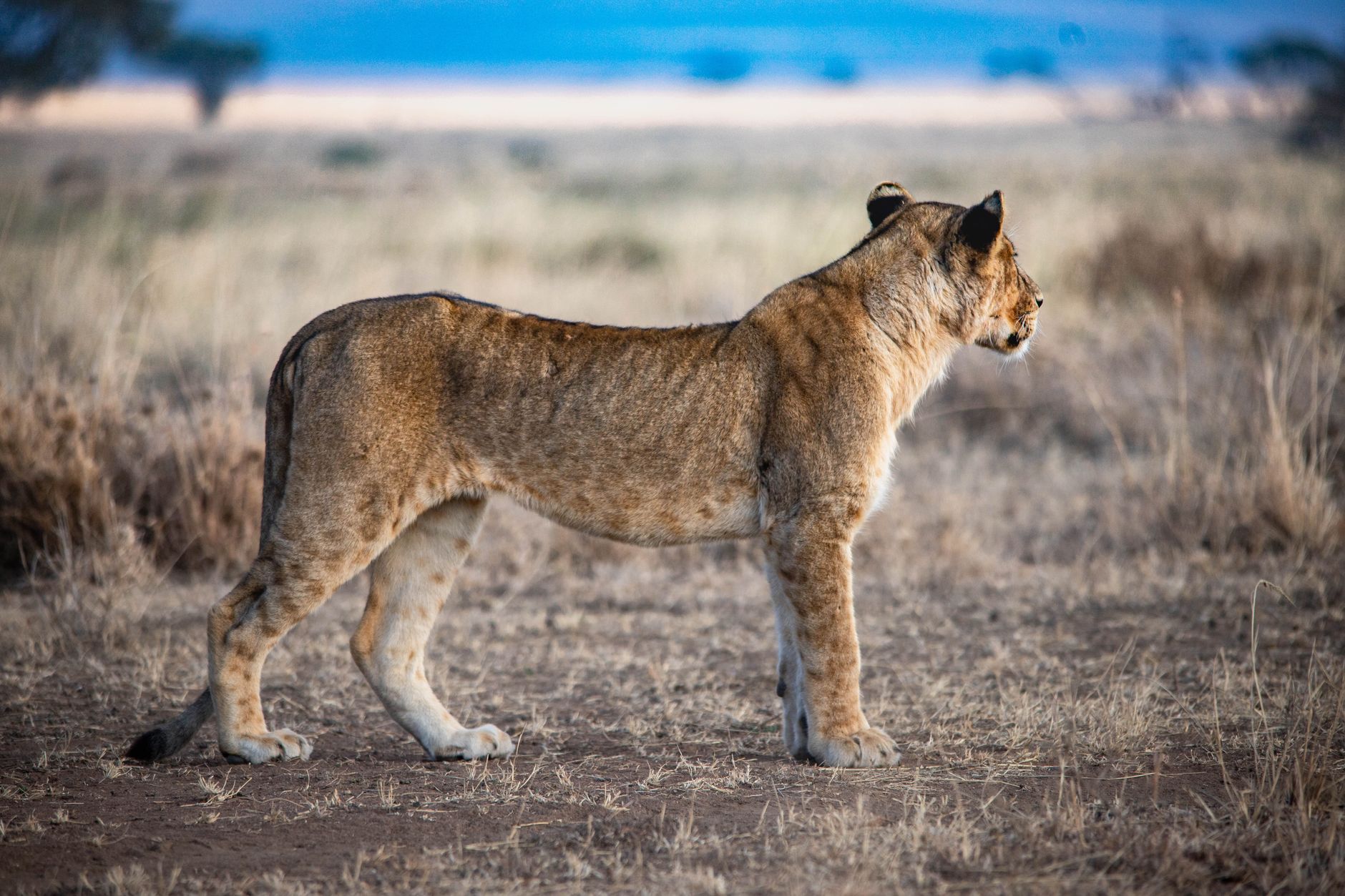
That does not mean the landscape feels empty. Resident wildebeest, zebra, gazelle, lions, leopards, cheetahs, elephants and buffalo remain in the ecosystem throughout the year. A quiet game drive in January can produce exceptional predator action because many herbivores are calving.
What Are Masai Mara Weather and Road Conditions Like in Shoulder Season?
Shoulder-season weather ranges from mostly dry mornings in January, February and June to more frequent showers in March, October and November. Game drives usually remain productive, but rain can make secondary tracks muddy and alter routes. Choose a camp with reliable four-wheel-drive access, flexible activities and an all-weather airstrip transfer plan rather than assuming every road will stay usable.
Pack for both warm days and cool mornings. A light rain jacket, sturdy shoes and a dry bag for camera gear help more than heavy waterproof boots. Our Kenya safari packing list has practical suggestions for wet and dry conditions.
How Do January, June and November Compare?
Choose January to March for relatively dry conditions, calving-season interest and predator photography. Choose June for cool weather and the possibility of early migration movement. Choose November for low vehicle density, green landscapes and value. March and November carry greater rain risk, while June can become busier and more expensive as the migration season approaches.
| Shoulder window | Weather | Crowd level | Wildlife focus | Price compared with peak |
|---|---|---|---|---|
| January to February | Mostly dry | Low to moderate | Predators, calving plains game | Indicative: 15 to 35 percent lower |
| March | Mixed showers | Low | Green vegetation, predators | Indicative: 15 to 35 percent lower, holiday spikes |
| June | Cool, mostly dry | Moderate | Resident wildlife, early migrants | Indicative: 10 to 30 percent lower |
| October | Showers possible | Low to moderate | Departing herds, predators | Indicative: 15 to 35 percent lower |
| November to early December | Short rains | Low | Green scenery, value | Indicative: 20 to 40 percent lower outside holidays |
The range matters more than any single figure. A luxury conservancy camp may hold its price better than a budget tented camp, and Christmas weeks can push some rates close to peak levels.
Is January a Good Time to Visit Masai Mara?
Yes. January is often warm, relatively dry and quieter than the peak migration months, with strong resident-wildlife and predator viewing. It is a particularly good choice for travelers who want quality game drives and lower demand without making river crossings their primary goal.
Late January and February also overlap with wildebeest calving in parts of the Mara and the southern Serengeti. While calving is not guaranteed in any one location, predator activity around vulnerable calves can be excellent. Photographers often prefer this window because the light is softer and the grass is shorter.
Which Masai Mara Conservancy Is Best in Shoulder Season?
Mara North, Naboisho, Olare Motorogi and Ol Kinyei are strong shoulder-season options for travelers who value lower vehicle density and off-road access. Walking or night-drive possibilities may also be available where permitted. The best choice depends on habitat, camp location and activities, not just the conservancy name. Confirm seasonal road access and whether the camp remains fully operational on your dates before booking.
Conservancies in the Mara work differently from the national reserve. They charge a nightly fee that supports local landowners, and they enforce strict vehicle limits. That makes them attractive when you want a more private safari experience. The trade-off is that some conservancies feel quieter than the reserve even in peak season, so shoulder-season visitors often get genuinely uncrowded drives.
If you are comparing the reserve with conservancies, our Masai Mara vs Amboseli comparison might help you decide which park fits your preferences overall.
How Much Cheaper Is Masai Mara in Shoulder Season?
Shoulder-season rates are commonly below July to October peak prices. There is no single reliable discount, because camps price by location, category, conservancy and holiday period. November can be among the better-value months, while Christmas and New Year may carry substantial premiums.
When comparing prices, look at the full package, not just the room rate. Park or conservancy fees, flights, transfers and private vehicle supplements can change the total by a large amount. A lower nightly rate at a camp with expensive add-ons may cost more than a higher-priced all-inclusive option. Our Kenya safari cost overview breaks down these charges.
What Do Travelers Ask About Masai Mara Shoulder Season?
When is the shoulder season in Masai Mara?
The main shoulder-season windows are January to March, June, October and November to early December. January to March is usually the driest and strongest for predators. June is a pre-migration transition. November offers green scenery and fewer vehicles but more rain risk.
Can you see the Great Migration in shoulder season?
You may see early arrivals in June or departing herds in October. Shoulder season cannot guarantee the Mara River crossings associated with July to October. Migration timing changes with rainfall, so travelers focused on crossings should prioritize the peak window and allow several days in the Mara.
Is January a good time to visit Masai Mara?
Yes. January is often warm, relatively dry and quieter than the peak migration months, with strong resident-wildlife and predator viewing. It is a particularly good choice for travelers who want quality game drives and lower demand without making river crossings their primary goal.
How much cheaper is Masai Mara in shoulder season?
Shoulder-season rates are commonly below July to October peak prices. There is no single reliable discount, because camps price by location, category, conservancy and holiday period. November can be among the better-value months, while Christmas and New Year may carry substantial premiums.
Does it rain in Masai Mara during shoulder season?
Rain is possible in every shoulder-season month, but the risk is higher in March, October and November than in January, February or June. Showers are often localized or short-lived, although heavier rain can create muddy tracks and change the timing or route of game drives.
Should You Plan a Shoulder Season Safari?
Shoulder season rewards flexible travelers who care about quiet viewing and fair value. It does not reward anyone who needs a guaranteed river crossing or a fixed peak-season atmosphere. Before you commit, check the rainfall outlook for your specific month. Confirm whether your preferred camp stays open, and ask how roads and airstrips are handled when it rains.
Where Can You Find More Safari Planning Resources?
Beyond this guide, several independent resources cover Kenya’s best-time-to-visit questions in more depth, including month-by-month rainfall maps and destination profiles. These sources are useful for cross-checking crowd levels and weather patterns before you finalize your shoulder-season dates. Use them alongside your camp’s own advice for the most accurate picture.
- Best time to visit Kenya map from SafariPure
- Best time to visit Kenya from Trunktrails Safaris
- Best time to visit Kenya month-by-month map from Valley Safaris
- Masai Mara destination guide on FindMySafari
Ready to Compare Safari Operators and Book?
Once you have picked a shoulder-season window, the next step is comparing operators and itineraries side by side. Prices, camp choices and seasonal conditions vary widely. Checking a few sources before booking helps you match the right camp and dates to your budget and priorities.
When you are ready to move from planning to booking, compare safari operators and browse packages through FindMySafari, Valley Safaris, or Trunktrails Safaris. Each lists Masai Mara itineraries with different camp choices, price levels, and seasonal conditions, so you can match the shoulder-season window that fits you best.